

Starting School Strong: Why Physical Skills Matter More Than You Might Think
Starting school is a huge milestone. For many families, it’s a mix of excitement, pride and maybe a few worries too.
As parents, we often focus on the things we can easily see and practise before that first day. We might work on recognising letters, counting to 10, packing a lunchbox or getting used to the morning routine.
But there’s another important piece of the school readiness puzzle that often doesn’t get as much attention: physical development.
The truth is, children use physical skills all day at school. From carrying a school bag and sitting on the classroom floor, to climbing playground equipment and joining in games with friends, their bodies are working hard from the moment the bell rings.
For some children, especially those with developmental delays or movement difficulties, these physical demands can be more challenging than parents realise. That’s where physiotherapy can help.
School Readiness Isn’t Just About Learning
When parents ask us, “Is my child ready for school?”, they’re often thinking about academic skills. Can they write their name? Do they know their colours? Can they count?
These skills are important, but school readiness is much broader than that.
Children also need to feel confident moving around their environment, joining in with other children and managing the physical demands of a busy school day.
Think about everything a child does between morning drop-off and afternoon pick-up. They’re walking, running, climbing, sitting, balancing, carrying, jumping, concentrating and playing.
Physical development supports all of these everyday activities. When movement feels easy, children can spend more energy focusing on learning, friendships and having fun.
What Are Gross Motor Skills?
You might hear physiotherapists talk about gross motor skills. This simply refers to the large movements our bodies make using our arms, legs and core muscles.
Gross motor skills help children:
- Run and stop safely
- Jump and hop
- Climb stairs and playground equipment
- Catch and kick a ball
- Balance on uneven surfaces
- Sit with stability and endurance for classroom activities
- Move confidently around their environment
Most children develop these skills naturally through play and everyday activities. However, some children need a little extra support to build strength, coordination and confidence.
The Hidden School Skill: Being Able to Sit Comfortably
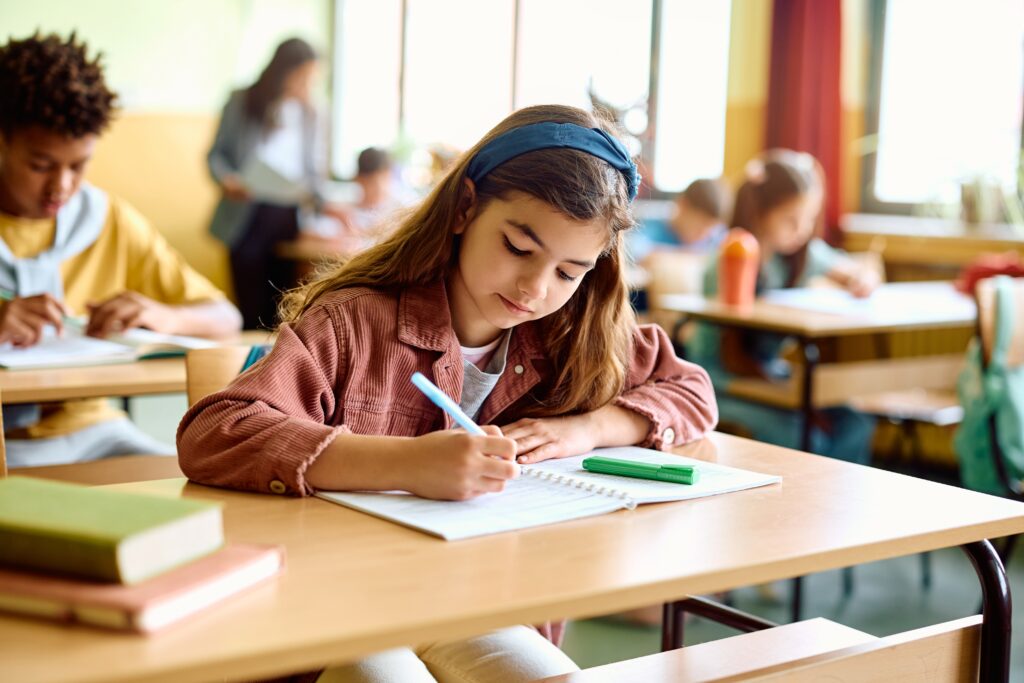
One thing many parents don’t realise is how much sitting happens at school. Further to this, a child’s ability to sit directly informs their ability to control their upper limbs and engage in fine motor activities like drawing, cutting and handwriting.
Children are expected to sit:
- During group time
- While listening to stories
- At desks during learning activities
- On the floor with classmates
For some children, sitting upright and staying comfortable for extended periods takes a lot of effort.
If a child has reduced core strength or postural control, they may:
- Fidget frequently
- Slouch in their chair
- Lean on tables
- Change positions constantly
- Appear distracted or restless
Sometimes it isn’t a concentration issue at all. Their body is simply working hard to stay upright and comfortable.
Building strength and endurance, or thinking strategically about available equipment, can make classroom activities feel much easier.
Why Balance and Coordination Matter
School playgrounds are full of opportunities for movement. They’re also full of opportunities for children to compare themselves to their peers.
If a child struggles with balance or coordination, they may notice they’re having more difficulty than other children with activities like:
- Climbing
- Running
- Jumping
- Skipping
- Catching a ball
- Navigating playground equipment
Over time, some children start avoiding physical activities because they don’t feel confident. This can affect not only their physical development but also their friendships and willingness to participate.
Helping children build these skills before school starts can have a positive impact on both confidence and participation.
“My Child Seems Clumsy.” Should I Be Concerned?
Many parents describe their child as “a bit clumsy.” Sometimes this is simply part of normal development. Other times, it may be a sign that a child could benefit from extra support.
You might notice your child:
- Trips or falls more often than other children
- Avoids climbing playground equipment
- Has difficulty learning new physical skills
- Gets tired quickly during active play
- Appears less coordinated than peers
- Struggles to keep up during group games
- Finds it difficult to sit upright for long periods
These observations don’t necessarily mean something is wrong. But they can be useful signs that your child may benefit from a physiotherapy assessment to better understand their strengths and challenges.
How Physiotherapy Can Help
Physiotherapy isn’t just for injuries. Paediatric physiotherapists work with children to help them develop the movement skills they need for everyday life.
This might include helping a child improve:
- Balance
- Coordination
- Strength
- Endurance
- Posture
- Body awareness
- Gross motor skills
- Movement confidence
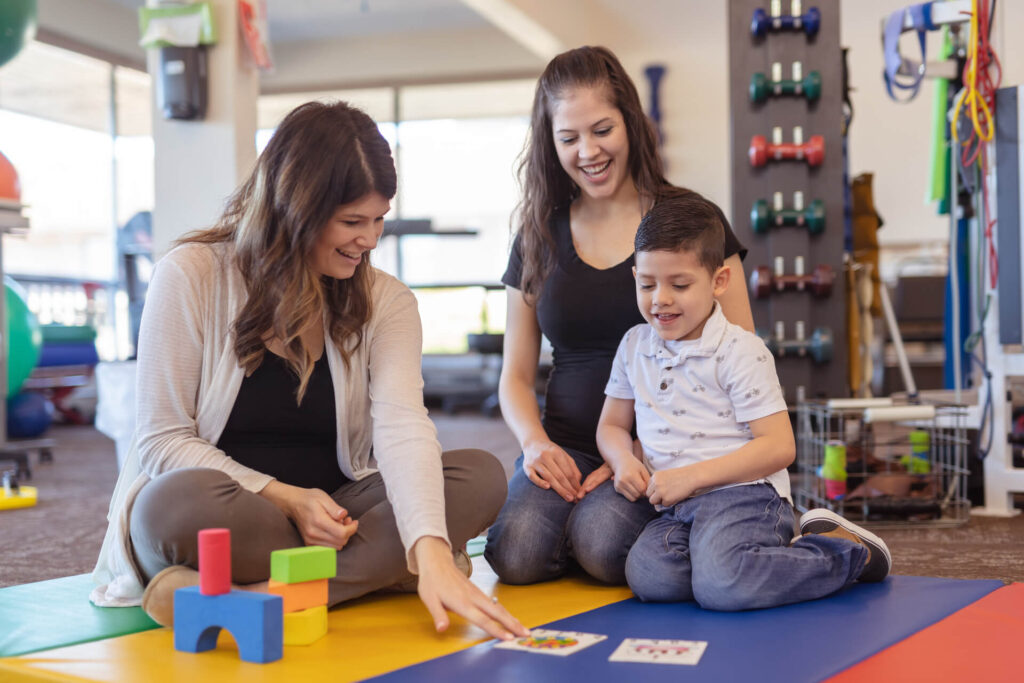
Most importantly, physiotherapy is designed to be fun and engaging. Children learn best through play, which means therapy often looks like games, obstacle courses, challenges and activities that feel enjoyable rather than like hard work.
Learn more about Early Start Australia’s Physiotherapy services.
Building School Readiness at Home
The good news is that many physical skills can be developed through everyday play.
You don’t need expensive equipment or long exercise sessions. The best physical activity is the one that can be enjoyed by the whole family.
Create Mini Obstacle Courses
Use cushions, chairs, masking tape and soft toys to encourage children to crawl, climb, jump and balance.
Play Ball Games
Throwing, catching, kicking and rolling balls help develop coordination and timing.
Try Animal Walks
Children love:
- Crab walks
- Frog jumps
- Bear crawls
- Bunny hops
These activities build strength while making movement fun.
Visit Local Playgrounds
Playgrounds are fantastic places to practise climbing, balancing, swinging and coordinating movements.
Play Games That Get Everyone Moving
Games such as Simon Says, Follow the Leader and Musical Statues are wonderful for combining movement, listening and attention skills.
The goal isn’t perfection. The goal is giving children regular opportunities to move, explore and build confidence.
A Quick School Bag Tip
As children get ready for school, it’s worth checking that their backpack fits properly.
A school bag should:
- Sit comfortably against the back
- Be carried using both shoulder straps
- Not be excessively heavy
As a general guide, a school bag should weigh no more than around 10% of a child’s body weight. A properly fitted backpack helps support posture and reduces unnecessary strain throughout the day.
Every Child’s Journey Looks Different
One of the most important things to remember is that children develop at different rates.
Some children start school feeling physically confident from day one. Others need a bit more time and support to develop the skills that help them participate comfortably. Neither path is wrong.
If you have concerns about your child’s physical development, balance, coordination, movement skills or overall school readiness, seeking support early can help identify practical strategies and build confidence before school begins.
At Early Start Australia, our multidisciplinary team of Physiotherapists, Occupational Therapists, Speech Pathologists and Psychologists work together to help children develop the skills they need to thrive at school and beyond.
Learn More About Early Start Australia
🔗 https://www.earlystartaustralia.com.au/
Find Your Nearest Clinic