

School Readiness: The Everyday Skills Children Need to Thrive at School

When parents think about school readiness, it’s natural to focus on recognising letters, counting and other early academic skills.
However, being ready for school involves much more than knowing the alphabet or numbers. Children also need a range of everyday skills that help them participate in classroom activities, build friendships, follow routines and develop confidence. These foundational skills support learning, independence and emotional wellbeing, helping children make a positive transition into school.
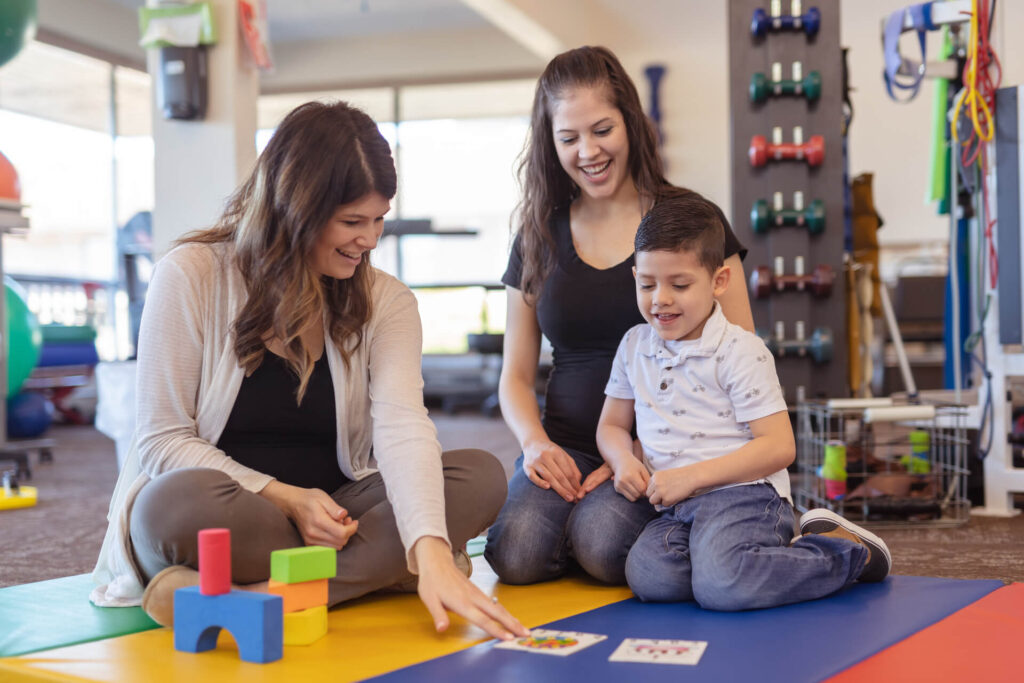
Occupational Therapy (OT) can play an important role in helping children develop these school readiness skills. Occupational Therapists work with children to build the practical, social, sensory and self-care skills needed for everyday activities at home, in the community and at school. Learn more about Occupational Therapy at Early Start Australia.
What Does School Readiness Really Mean?
School readiness refers to a child’s ability to participate in and benefit from the school environment.
While every child develops at their own pace, key school readiness skills often include:
- Fine motor development
- Social communication and play skills
- Emotional and sensory regulation skills
- Attention and concentration
- Following routines and instructions
- Independence with self-care tasks
- Communication and interaction with others
A child does not need to master every skill before starting school. Rather, school readiness is about developing the confidence and capabilities needed to engage in learning, adapt to new experiences and participate successfully in school life.
Fine Motor Skills Support Learning and Independence
Fine motor skills involve the small muscles of the hands and fingers. These skills are used throughout the school day and support a child’s ability to learn and participate independently.
Fine motor skills are important for activities such as:
- Holding and using pencils, crayons and markers
- Drawing and colouring
- Cutting with scissors
- Using classroom tools such as glue sticks and rulers
- Opening lunch containers and drink bottles
- Managing buttons, zips and other fasteners
Strong fine motor skills help children participate confidently in classroom tasks while also supporting everyday independence.
If your child finds tasks such as drawing, colouring, cutting, pencil grip or managing clothing fasteners challenging, an Occupational Therapist can help develop the underlying skills needed for success at school and everyday life. Early Start Australia’s Occupational Therapists support children with fine motor development, self-care skills, sensory processing, emotional regulation and school participation. Learn more about our Occupational Therapy services.
Why Play Skills Are Essential for School Readiness
Play is one of the most important ways children learn and develop.
Through play, children build skills such as:
- Taking turns
- Sharing and cooperating with others
- Following simple rules
- Using imagination and creativity
- Solving problems
- Understanding and managing emotions
- Communicating with peers
- Motor skills
These experiences help children develop the social and emotional skills needed to form friendships, participate in group activities and navigate classroom expectations.
Many of the skills children use every day at school are first learned through play.
Sensory Processing and Emotional Regulation at School
Schools are busy, stimulating environments filled with sounds, movement, visual information and social interactions.
Sensory processing helps children interpret and respond to information from their environment, including sounds, movement, touch, textures and visual distractions.
Children also benefit from developing emotional regulation and body awareness skills that help them:
- Recognise and understand their emotions
- Stay calm during challenging situations
- Cope with frustration and disappointment
- Adapt to change and transitions
- Ask for help or a break when needed
- Maintain focus during learning activities
- Try new and challenging things
When children can regulate both their emotions and sensory responses effectively, they are often better able to engage in learning, participate in classroom routines and enjoy positive school experiences. Occupational Therapists can assist children who experience challenges with sensory processing, attention and emotional regulation.
Why Independence Builds Confidence
One of the strongest contributors to a successful transition to school is independence.
Simple everyday skills help children feel capable, prepared and confident in their new environment.
Important school readiness skills include:
- Getting dressed independently
- Managing toileting routines
- Opening lunch boxes and food packaging
- Looking after personal belongings
- Following simple instructions
- Packing away after activities
- Asking for help appropriately
When children can manage these tasks independently, they often experience less stress and can focus more on learning, participating and building relationships with others.
When Might a Child Benefit from Additional Support?
Every child develops differently, and variations in development are a normal part of childhood.
However, additional support may be beneficial if your child:
- Finds drawing, colouring or cutting activities challenging
- Avoids play or has difficulty joining in with peers
- Struggles to make or maintain friendships
- Becomes overwhelmed by noise, textures or busy environments
- Has difficulty managing everyday self-care tasks independently
- Struggles with transitions or following routines
- Finds it difficult to regulate emotions or attention
- Has challenges with trying new or challenging activities
Seeking support does not mean something is wrong. Early support can help children build confidence, learn new skills and develop strategies that support participation and success at school. You can learn more about our Occupational Therapy services or explore the full range of support available at Early Start Australia.
School Readiness Checklist for Parents
Not sure whether your child is developing the skills needed for school?
Our School Readiness Checklist can help you identify strengths and areas where your child may benefit from additional practice or support.
Independence Skills
- Can dress themselves with minimal assistance
- Uses the toilet independently
- Washes and dries hands independently
- Opens lunch containers and drink bottles
- Packs away belongings after activities
Fine Motor Skills
- Holds a pencil or crayon comfortably
- Draws simple shapes and pictures
- Uses scissors safely
- Completes simple craft activities
- Manipulates buttons, zips or fasteners
Social Communication Skills
- Takes turns during games
- Shares with others
- Plays alongside or with peers
- Follows simple rules
- Initiates play with others
- Able to follow others’ play ideas
- Participates in group activities
Communication Skills
- Expresses needs and wants clearly
- Follows simple instructions
- Answers basic questions
- Communicates with familiar and unfamiliar adults
Emotional Regulation Skills
- Manages minor frustrations appropriately
- Accepts changes in routine with support
- Separates from caregivers without significant distress
- Seeks help when needed
- Able to gain and wait for adult or peers’ attention appropriately
School Participation Skills
- Sits and attends to activities for short periods
- Transitions between activities with support
- Participates in structured learning experiences
- Shows curiosity and willingness to learn
- Cooperates in new or challenging activities
Tip: Children do not need to achieve every skill before starting school. The checklist is designed as a guide to help identify areas that may benefit from further development or support.
Simple Ways to Build School Readiness Skills at Home
The good news is that many school readiness skills can be developed naturally through everyday play and routines.
Fine Motor Activities
- Playing with playdough
- Drawing and colouring
- Cutting and craft activities
- Threading beads
- Building with blocks and construction toys
Social Communication and Play Skills
- Pretend play
- Board games with simple rules
- Turn-taking activities
- Playing with siblings and friends
- Group play opportunities
Sensory Play Experiences
- Sand play
- Water play
- Rice or sensory bin activities
- Messy play experiences
- Outdoor exploration and nature play
Encouraging Independence
- Practising dressing skills
- Opening lunch containers
- Helping pack school bags
- Following simple daily routines
- Setting the table or helping with household tasks
The key is to keep activities simple, fun and consistent. Small opportunities for practice each day can make a meaningful difference over time.
School Readiness Support from Early Start Australia
If you’re unsure whether your child is ready for school, support is available.
Early Start Australia offers evidence-based therapy and assessment services designed to help children develop the skills needed for a positive transition to school, including Occupational Therapy, Speech Pathology, Psychology, Physiotherapy, Early Childhood Intervention and School Readiness Programs.
For children who may benefit from additional support before starting school, Early Start Australia’s Steps to School Success program focuses on areas such as:
- Social interaction
- Communication
- Play skills
- Emotional development
- Fine and gross motor skills
- Everyday school routines
Frequently Asked Questions About School Readiness
What are the most important school readiness skills?
School readiness involves much more than academic skills. Some of the most important skills for starting school include:
- Social communication skills, such as sharing, taking turns and interacting with peers
- Communication skills, including listening, understanding and expressing needs
- Emotional regulation and resilience
- Fine motor skills for drawing, writing and self-care tasks
- Independence with daily activities
- Attention and concentration
- Following routines and instructions
These skills help children participate in classroom learning, build friendships and confidently navigate the school environment.
For children who need additional support developing these skills, Early Start Australia’s Steps to School Success program focuses on social interaction, communication, emotional development, play skills and motor development.
How do I know if my child is ready for school?
Every child develops at their own pace, so readiness looks different for every child. Generally, children are ready for school when they can participate in group activities, follow simple instructions, communicate their needs, manage some everyday tasks independently and cope with transitions between activities.
Rather than asking, “Can my child read or count?” it can be helpful to ask:
- Can they separate from parents or carers with minimal distress?
- Can they ask for help when needed?
- Can they follow simple routines?
- Can they interact with other children?
- Can they manage basic self-care tasks?
If you’re unsure, a school readiness program or consultation with a health professional can help identify areas of strength and areas that may benefit from support. Learn more about Early Start Australia’s Steps to School Success program.
Does my child need to know how to read before starting school?
No. Most schools do not expect children to be reading independently before they start school.
While exposure to books, stories and language is beneficial, schools are designed to teach children literacy skills. Skills such as communication, curiosity, attention, independence, social interaction and emotional regulation are equally important foundations for learning.
Children who are confident, engaged and ready to participate often transition more successfully to school than those who only have strong academic skills.
If your child has challenges with communication, language development or early literacy skills, Early Start Australia’s Speech Pathologists can provide support tailored to your child’s needs.
What independence skills should children have before school?
Children benefit from being able to manage a range of everyday tasks with minimal support, including:
- Using the toilet independently
- Washing and drying their hands
- Dressing and undressing themselves
- Opening lunch containers and drink bottles
- Looking after their belongings
- Packing away after activities
- Following simple instructions and routines
- Asking for help or a break when needed
These skills help children feel capable and confident and allow them to focus more on learning throughout the school day.
How can Occupational Therapy help with school readiness?
Occupational Therapists support children to develop the practical skills needed for successful participation at school.
This may include support with:
- Fine motor skills and pencil grip
- Hand strength and coordination
- Sensory processing and regulation
- Attention and concentration
- Emotional regulation
- Self-care and independence skills
- Play and social participation
Occupational Therapy focuses on helping children build confidence and develop the skills required for everyday activities both at home and in the classroom. Learn more about Occupational Therapy at Early Start Australia.
What fine motor skills are needed for school?
Fine motor skills involve the small muscles of the hands and fingers. At school, children use these skills for:
- Holding and controlling a pencil
- Drawing and colouring
- Writing letters and numbers
- Cutting with scissors
- Using glue and classroom tools
- Opening lunch containers
- Managing buttons, zips and fasteners
Strong fine motor skills support both classroom learning and independence throughout the school day. Children who experience difficulties with handwriting readiness, scissor skills or hand strength may benefit from Occupational Therapy support.
What if my child struggles with transitions or emotional regulation?
Transitions and emotional regulation can be challenging for some children, particularly when starting school.
Signs a child may need additional support include:
- Difficulty moving between activities
- Frequent emotional outbursts
- High levels of anxiety
- Difficulty coping with changes in routine
- Becoming overwhelmed in busy environments
Strategies that may help include:
- Using visual schedules
- Maintaining predictable routines
- Practising transitions ahead of time
- Providing clear expectations
- Teaching children how to identify and express emotions
- Practising communication skills such as asking for a break, help, “no” or “stop”
If challenges persist or significantly impact your child’s participation at home, preschool or school, professional support may be beneficial. Early Start Australia’s Occupational Therapists and Psychologists can support children with emotional regulation, coping skills and school transitions.
How can I improve my child’s school readiness at home?
Many school readiness skills can be developed naturally through everyday activities and play.
Fine motor skills
- Playdough activities
- Drawing and colouring
- Cutting and craft projects
- Threading beads
Social skills
- Board games
- Taking turns
- Group play opportunities
- Pretend play
Independence skills
- Practising dressing
- Packing their school bag
- Opening lunch containers
- Following daily routines
Emotional skills
- Talking about feelings
- Reading books together
- Encouraging problem-solving
- Practising coping strategies
Small, consistent opportunities to practise these skills can make a significant difference over time. Families looking for additional support may also benefit from Early Start Australia’s school readiness programs and therapy services.
When should I seek support for school readiness concerns?
You may wish to seek support if your child:
- Finds fine motor activities difficult
- Struggles with everyday self-care tasks
- Has difficulty engaging with other children
- Experiences challenges with attention or concentration
- Becomes overwhelmed by sensory experiences
- Finds transitions particularly difficult
- Has ongoing challenges with emotional regulation
- Has challenges following routines or instructions
Early support can help children develop strategies, build confidence and strengthen skills before they begin school. Early Start Australia offers Occupational Therapy, Speech Pathology, Psychology and early intervention services to support children and families throughout this journey.
What is the difference between academic readiness and school readiness?
Academic readiness refers to early learning skills such as:
- Recognising letters
- Counting
- Identifying colours and shapes
- Early literacy and numeracy skills
School readiness is broader and includes a child’s ability to:
- Participate in classroom activities
- Interact with peers
- Follow routines
- Manage emotions
- Communicate effectively
- Demonstrate personal independence
- Engage in learning
While academic skills are valuable, school readiness focuses on the whole child and the range of skills needed to successfully participate in the school environment. In many cases, social, emotional and independence skills are just as important as early academic knowledge for a positive start to school.
Supporting Your Child’s Success
School readiness is built through everyday experiences. Developing practical life skills, confidence and independence helps children feel prepared to learn, participate and connect with others at school.
If you have concerns about your child’s development or would like support to build school readiness skills, Early Start Australia offers evidence-based Occupational Therapy and multidisciplinary services tailored to your child’s individual needs. Our team works closely with families to help children develop the skills and confidence they need to thrive at school and beyond.
Related Services
Learn More About Early Start Australia
🔗 https://www.earlystartaustralia.com.au/
Find Your Nearest Clinic