

What Happens During a Developmental Assessment?

Many parents feel a little nervous before their child’s assessment appointment.
You may be wondering:
- What will happen?
- How will my child respond?
- What will the results mean?
These questions are completely normal. Many parents worry that their child will be expected to perform certain tasks or that there is a “right” way to respond during the assessment.
Developmental assessments are not about catching children out or testing whether they can do everything expected for their age. They are designed to understand how your child experiences and participates in everyday life. Clinicians use child-friendly, age-appropriate activities to explore your child’s strengths, interests and areas where they may benefit from additional support.
There is no pass or fail result. The goal is to gain a better understanding of your child and provide your family with greater clarity, practical guidance and a clear plan for next steps where needed.
What Is the Purpose of a Developmental Assessment?
A developmental assessment helps families better understand:
- how their child is developing
- what their child does well
- where challenges may be occurring
- what support options may be helpful.
It aims to provide practical information that can help children participate more confidently in everyday life.

Before the Appointment: Sharing Your Concerns
The assessment process usually begins with a conversation.
Your clinician will want to learn about:
- your child’s strengths
- your concerns
- developmental history
- health information
- daily routines
- family priorities.
You may also be asked about how your child participates at home, childcare, kindergarten or school.
H2: How to Prepare
You might find it helpful to bring:
- previous reports
- information from educators
- hearing or vision reports (if relevant)
- examples of challenges you’ve noticed
- a list of questions you’d like answered.
You do not need extensive paperwork. Your observations and experiences as a parent are some of the most valuable information available.

During the Assessment: Learning Through Activities and Observation
Every assessment is different because every child is different.
Depending on the concerns being explored, the appointment may include:
- discussion with parents
- observation
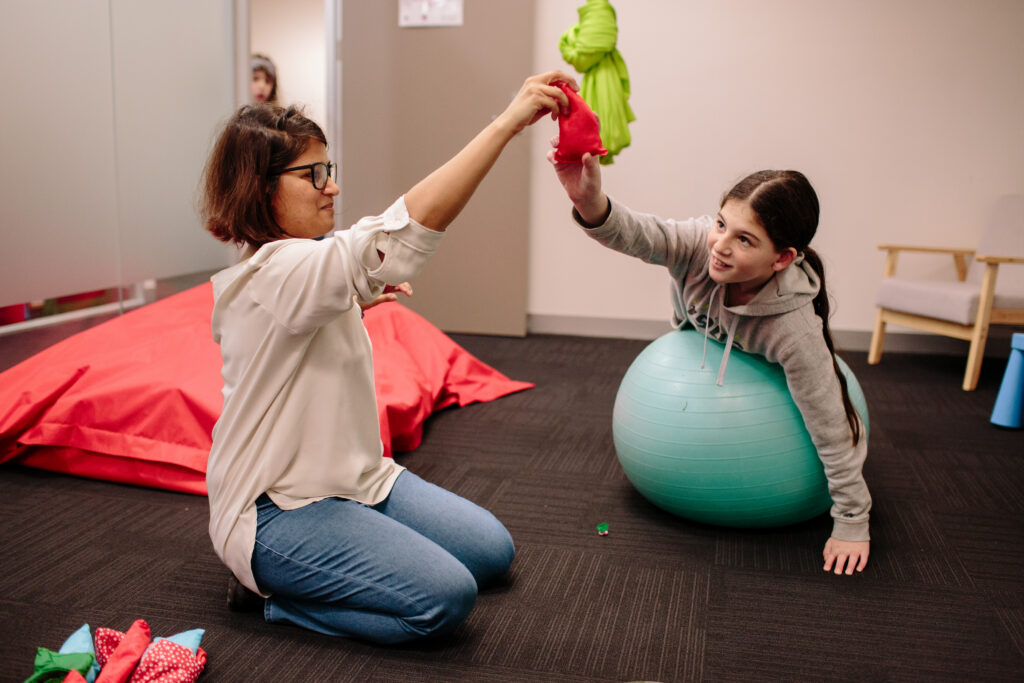
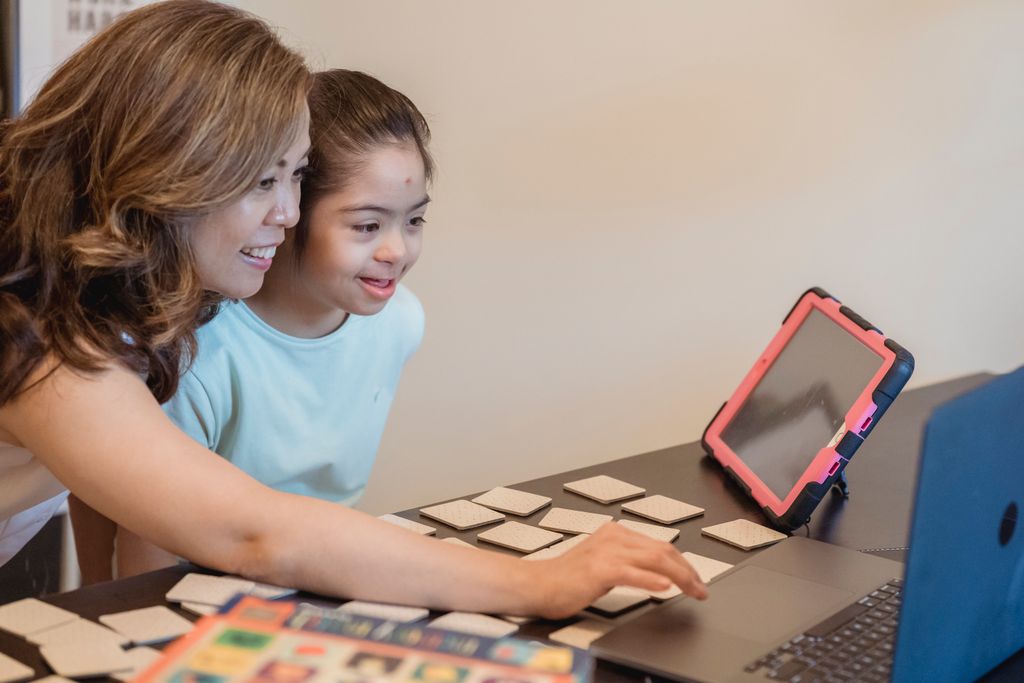
- play-based activities
- movement tasks
- problem-solving activities
- questionnaires
- assessment tools.
For younger children, the session may simply feel like play.
For older children, activities may include conversation, drawing, movement, learning tasks or games.
The clinician is interested in much more than right or wrong answers.
They are also looking at how your child:
- communicates
- approaches challenges
- solves problems
- responds to support
- participates in activities.
The goal is to understand how your child functions in everyday situations, not to judge performance.
Why Information from Different Settings Matters
Children don’t always behave the same way in every environment.
A child may:
- appear confident at home but struggle at school
- communicate well with family but find group settings challenging
- cope well in familiar routines but become overwhelmed in new situations.
This is why clinicians may also gather information from:
- educators
- childcare staff
- teachers
- other health professionals involved in your child’s care.
Looking across different environments helps build a more complete understanding of your child’s strengths and support needs.
After the Assessment: Understanding the Results
After the assessment, your clinician brings together information from discussions, observations, questionnaires and assessment activities to build a clearer understanding of your child’s strengths and support needs.
You’ll be guided through the findings and, depending on the assessment, may receive a feedback session, a written report and recommendations to help guide next steps.
The goal is not just to provide results, but to give your family greater clarity, practical guidance and a clear plan for moving forward.
What Recommendations Might Be Made?
Recommendations vary depending on the child and the reason for assessment.
They may include:
- strategies for home
- strategies for childcare or school
- therapy options
- environmental adjustments
- monitoring progress over time
- referral for additional assessment
- medical, hearing or vision review where appropriate.
There is no one-size-fits-all outcome.
Recommendations should be tailored to your child’s strengths, goals and needs.
Does Therapy Always Follow an Assessment?
No. An assessment does not automatically lead to therapy.
Its purpose is to help families better understand their child’s strengths, challenges and support needs, and identify the most appropriate next steps. Depending on the findings, this may include practical strategies, monitoring progress, support in education settings, therapy services, further assessment or referral to another service.
Whatever the outcome, families should leave with a clearer understanding of their child and a plan that reflects their needs and priorities
Helping Your Child Feel Comfortable
Many children are unsure about new experiences, and it is normal for parents to wonder how their child will respond on the day.
You can help your child feel more comfortable by:
- using simple, reassuring language
- explaining that someone would like to get to know them and learn about how they play, communicate and participate in everyday activities
- avoiding describing the appointment as a test or something they need to “pass”
- bringing familiar comfort items, communication aids or supports if these help your child feel relaxed
- sharing any information with your clinician that may help them support your child during the appointment.
There is no need to practise assessment activities beforehand. In fact, it is often most helpful for clinicians to see how your child naturally communicates, interacts, learns and participates. This helps build the clearest possible understanding of your child’s strengths, support needs and the strategies that may be most helpful moving forward.
A Developmental Assessment Is About Understanding Your Child
Developmental assessments are about much more than identifying challenges.
They provide an opportunity to better understand your child’s:
- strengths
- interests
- skills
- participation
- support needs.
For many families, the most valuable outcome is greater clarity, practical strategies and a plan that feels achievable and meaningful for their child.
Frequently Asked Questions
Ready to Learn More?
If you would like to better understand your child’s development, Early Start Australia offers a range of developmental assessments and allied health services designed to support children and families.