

School Readiness: Beyond ABCs and 123s | How to Support Your Child’s Transition to School
Starting school is one of the biggest milestones in a child’s life, and for many parents it can bring just as many questions as celebrations.
You may find yourself wondering:
- Is my child ready for school?
- What skills does my child need before starting school?
- What if my child has a developmental delay?
- How can I help my child feel confident and prepared?
The good news is that school readiness is about much more than recognising letters, writing their name or counting to 20. While academic skills are valuable, they’re only one piece of the puzzle.
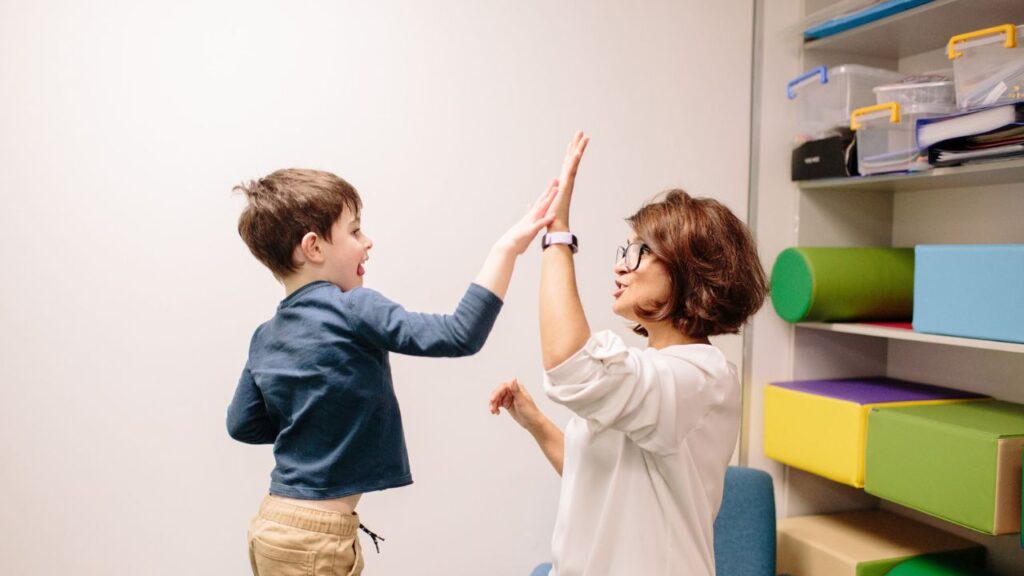
Children thrive at school when they have the communication, social, emotional, physical and independence skills needed to participate in everyday classroom activities, build friendships and navigate new experiences with confidence.
For children with developmental delays or additional support needs, early intervention and therapy can play an important role in building the foundations for a successful transition to school.
What Is School Readiness?
School readiness refers to the combination of skills children need to engage successfully in the school environment.
School readiness is not a simple checklist, and there is no such thing as a “perfectly school-ready child”. Every child develops at their own pace and brings different strengths, interests and challenges to their school journey.
School readiness skills include:
- Communication and language development
- Social skills and relationship building
- Emotional regulation
- Fine motor skills
- Gross motor skills
- Independence and self-care skills
- Attention and concentration
- Sensory processing and regulation
- Confidence and resilience
Rather than focusing solely on academic abilities, school readiness is about helping children develop the skills they need to learn, participate and feel successful in a classroom environment.
Is My Child Ready for School?
One of the most common questions parents ask is: “How do I know if my child is ready for school?”
A child who is developing age-appropriate school readiness skills can often:
- Follow simple instructions
- Participate in group activities
- Communicate their needs and ideas
- Manage basic self-care tasks
- Cope with short periods of separation from parents
- Play alongside and with other children
- Manage simple transitions between activities
- Attend to activities for short periods
- Demonstrate curiosity and willingness to learn
If your child finds some of these areas difficult, it doesn’t necessarily mean they aren’t ready for school. However, it may indicate that additional support could help strengthen their confidence and readiness before they begin school.
The Building Blocks of School Readiness
Communication Skills for School Success
Communication is one of the most important predictors of a successful start to school.
Children use communication skills to:
- Understand classroom instructions
- Follow routines
- Ask questions
- Express needs and feelings
- Participate in learning activities
- Develop friendships
- Solve problems with peers
- Be understood by others
Strong communication involves much more than talking. It includes understanding language, processing information, following directions and engaging in conversations with others.
Children who experience communication challenges may have difficulty keeping up with classroom expectations or engaging socially with peers.
If your child has difficulty understanding language, expressing themselves or engaging in social communication, support from a Speech Pathologist may help.
Fine Motor Skills and Handwriting Readiness
Fine motor skills involve the small muscles of the hands and fingers.
These skills are essential for many everyday school activities, including:
- Holding pencils correctly
- Drawing and colouring
- Handwriting readiness
- Using scissors
- Completing craft activities
- Opening lunch boxes and drink bottles
- Managing buttons, zips and fastenings
Children with difficulties in fine motor development may become frustrated or avoid tasks involving writing, drawing or manipulating small objects.
Occupational Therapy and Physiotherapy for school readiness often focuses on helping children develop:
- Hand strength
- Pencil control
- Hand-eye coordination
- Bilateral coordination
- Independence skills
Parents looking for ways to improve fine motor skills before school can encourage activities such as playdough, threading beads, colouring, puzzles and craft activities.
Gross Motor Skills and Physical Development
School readiness also involves physical readiness.
Gross motor skills help children:
- Sit comfortably and upright at a desk
- Participate in sport and physical education
- Run, jump and climb safely
- Navigate playground equipment
- Maintain endurance throughout the school day
- Move confidently around the classroom
Children who experience balance, coordination or movement difficulties may benefit from physiotherapy support before starting school.
Strong gross motor skills help children participate confidently in both classroom and playground activities.
Social and Emotional Development
Starting school introduces many new social situations and expectations.
Children need social and emotional skills to:
- Share and take turns
- Work cooperatively
- Build friendships
- Manage disappointment
- Cope with change
- Follow classroom rules
- Resolve simple conflicts
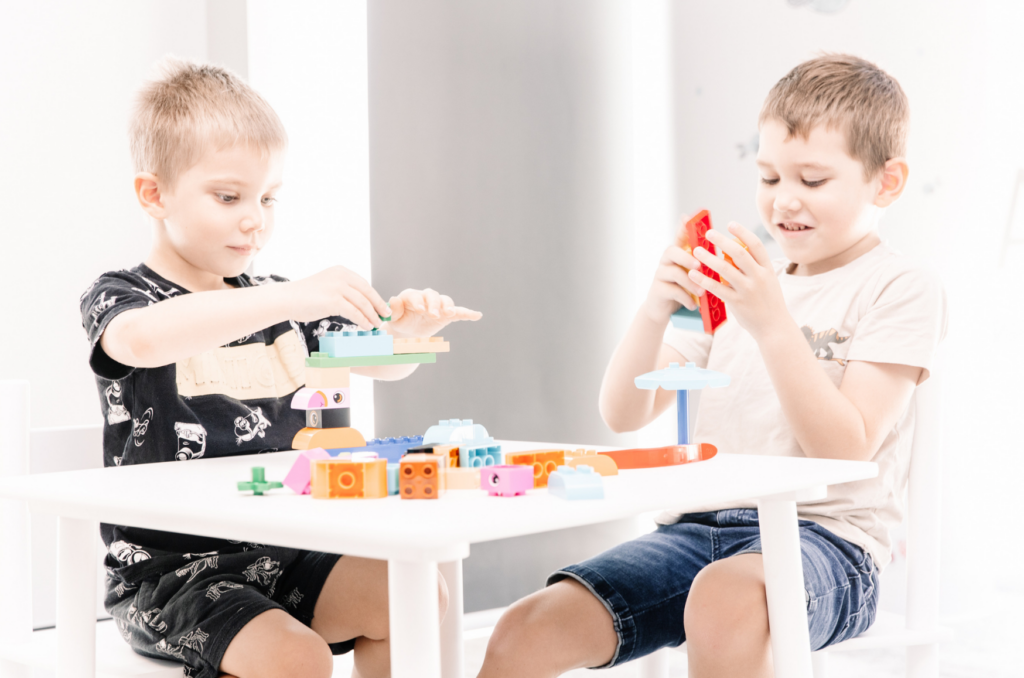
Play remains one of the most powerful ways children develop these skills.
Through play, children learn:
- Problem-solving
- Cooperation
- Communication
- Emotional regulation
- Negotiation
- Resilience
Social and emotional development helps children feel connected, capable and confident as they enter the school environment.
Emotional Regulation and Managing School Anxiety
Many children experience some level of nervousness or anxiety about starting school.
For some children, the transition can feel overwhelming due to:
- New environments
- New routines
- New adults
- New friendships
- Increased expectations
- Sensory challenges
Emotional regulation skills help children:
- Understand their emotions
- Manage frustration
- Cope with disappointment
- Navigate change
- Recover from setbacks
- Build resilience
Children who develop emotional regulation skills before school often find it easier to adapt to classroom expectations and everyday school experiences.
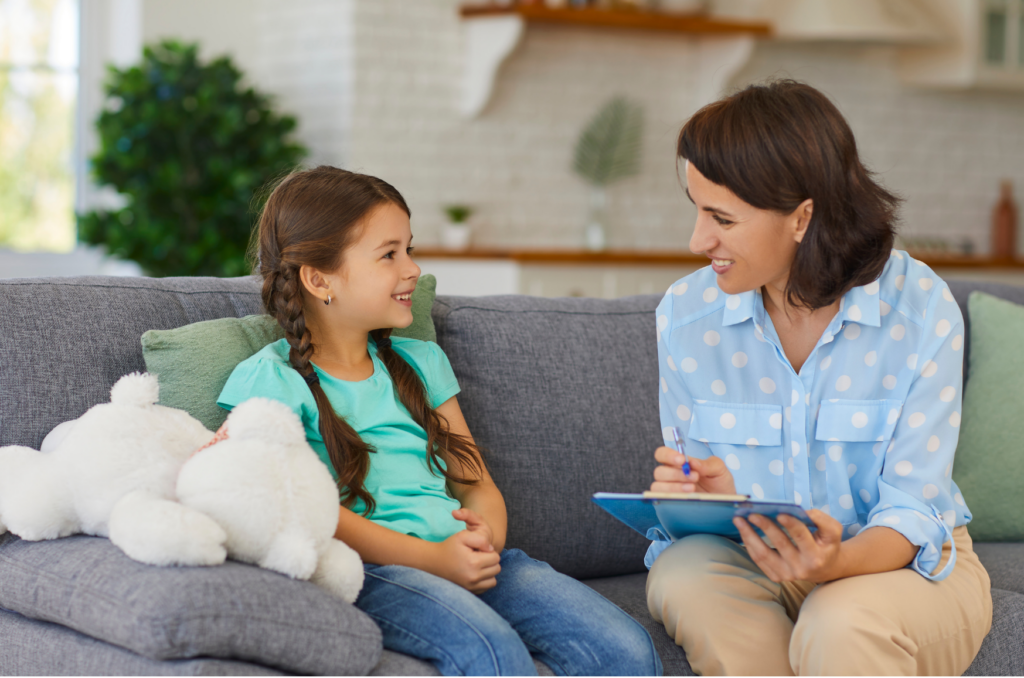
For children experiencing significant school anxiety or emotional challenges, psychological support may be beneficial.
Sensory Processing and School Readiness
School environments can be busy, noisy and highly stimulating.
Many children must learn to manage:
- Busy classrooms
- Playground noise
- Visual distractions
- Group activities
- Unexpected changes
Some children find these sensory experiences more difficult than others.
Sensory processing difficulties may affect:
- Attention and concentration
- Emotional regulation
- Participation in learning
- Social interactions
- Classroom behaviour
Occupational therapists can help children develop strategies to regulate sensory experiences and improve participation at school.
Independence Skills Build Confidence
One of the strongest contributors to school success is independence.
Children who can manage age-appropriate everyday tasks often feel more confident and capable.
Important independence skills include:
- Dressing independently
- Using the toilet independently
- Washing hands
- Opening lunch containers
- Packing and unpacking school bags
- Following routines
- Looking after belongings
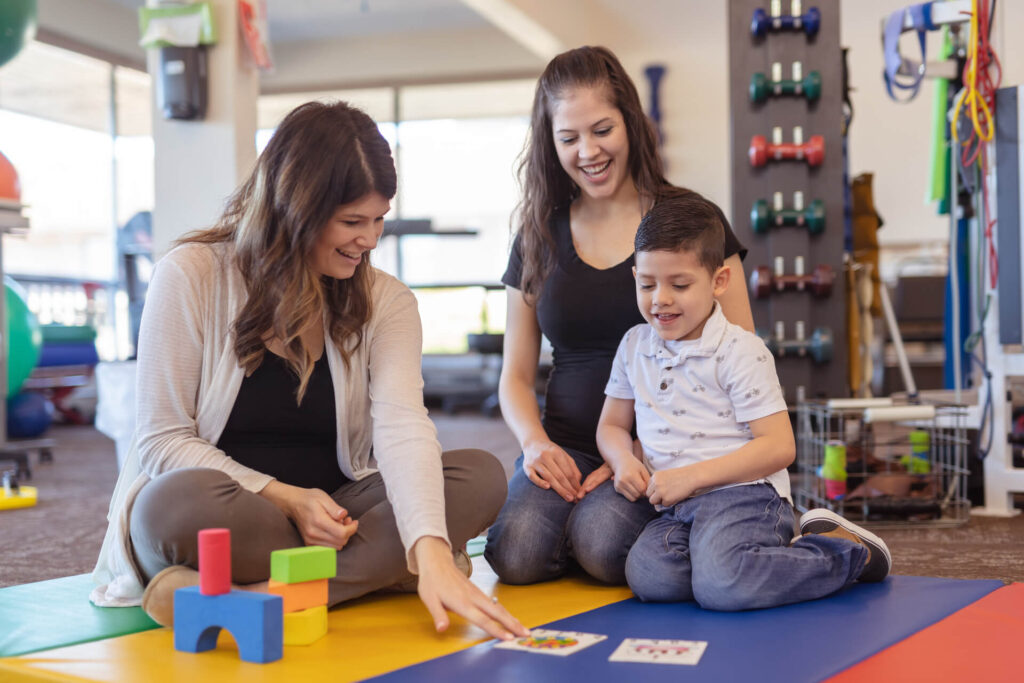
Early childhood allied health professionals (occupational therapists, physiotherapists and speech pathologists) frequently work with children and families to improve self-care skills, independence and confidence before starting school.
What If My Child Has a Developmental Delay?
Many parents worry that developmental delays mean their child won’t be ready for school.
The reality is that school readiness for children with developmental delays looks different for every child. Children with developmental delays can absolutely experience a positive and successful transition to school when they receive the right support.
Areas where children may benefit from support include:
- Communication skills
- Fine motor skills
- Gross motor development
- Social skills
- Emotional regulation
- Sensory processing
- Independence skills
- Attention and concentration
The earlier support is provided, the more opportunities children have to develop these foundational skills before they start school.
How Early Intervention Supports School Readiness
Early intervention helps children build the developmental foundations needed for learning and participation.
Early intervention services can support:
- School readiness skills
- Communication development
- Fine motor development
- Gross motor development
- Emotional wellbeing
- Confidence
- Social participation
- Independence
At Early Start Australia, our multidisciplinary team works together to support children’s individual developmental goals and help families feel confident during the transition to school.
Explore Early Start Australia’s services:
Common Signs Your Child May Need Extra Support Before Starting School
You may wish to seek professional advice if your child:
- Has a developmental delay
- Struggles to follow instructions
- Finds transitions difficult
- Avoids social interaction
- Experiences school anxiety
- Becomes easily overwhelmed by busy environments
- Has difficulty communicating with others
- Finds fine motor tasks challenging
- Has difficulty with self-care and independence skills
- Struggles to regulate emotions
Seeking support early doesn’t mean something is wrong. It simply creates opportunities to build skills, confidence and resilience before school begins.
Supporting Your Child’s Transition to School
There is no single definition of a school-ready child.
Every child enters school with different strengths, abilities and experiences. School readiness is not about perfection. It is about helping children develop the communication skills, social skills, emotional regulation, physical abilities and confidence they need to participate successfully in school life.
Whether your child is preparing for Kindergarten, Prep or their first year of school, focusing on these foundational skills can help make the transition smoother and more positive.
If you’re concerned about your child’s development, school readiness skills, communication, emotional regulation, fine motor skills or independence, the Early Start Australia team is here to help.
Frequently Asked Questions About School Readiness
Learn More About Early Start Australia
🔗 https://www.earlystartaustralia.com.au/
Find Your Nearest Clinic