


Beyond the Therapy Room: Why Parent Engagement Is the Secret to Early Intervention Success
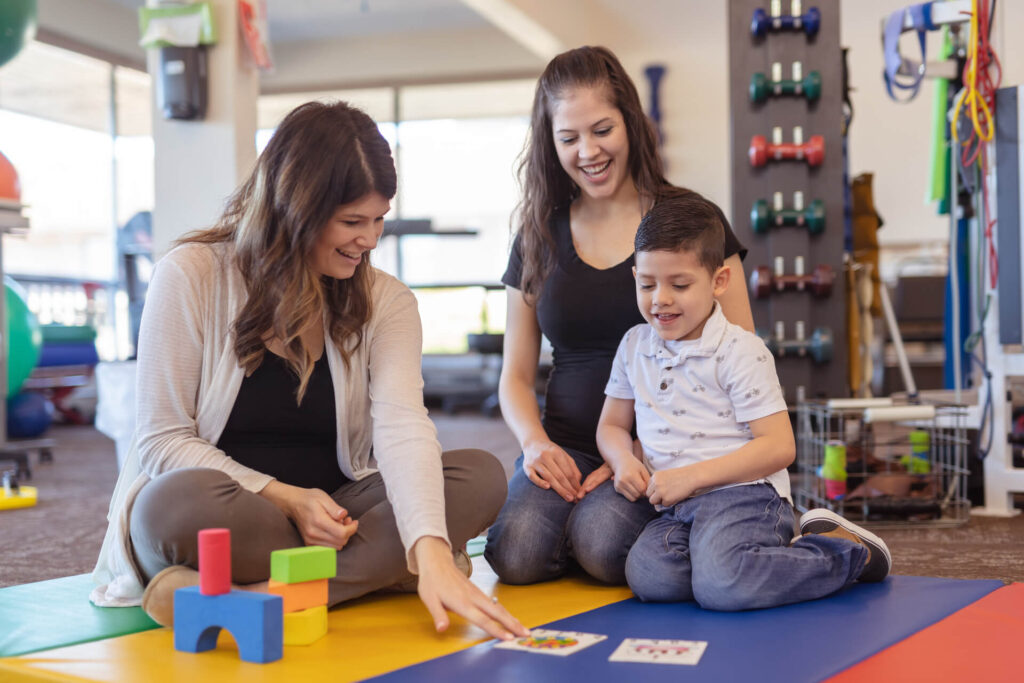
When parents hear the term early intervention, it’s easy to picture therapy sessions, specialist appointments and structured activities.
While those things are important, some of the most powerful learning opportunities happen somewhere much more familiar: at home, during everyday life.
If your child has a developmental delay, communication challenges, sensory differences, emotional regulation difficulties, autism, ADHD or challenges with everyday skills, it can sometimes feel like progress depends on what happens during therapy sessions.
The reality is often quite different.
Children spend far more time with their families than they do with therapists. That’s why parent and caregiver involvement is one of the most important factors in helping children develop new skills, build confidence and participate more fully in everyday life.
At Early Start Australia, we believe parents are much more than observers. They are a valuable part of the therapy team.
Why Parent Involvement Matters
One of the most common questions parents ask is: “How can I help my child make progress between therapy sessions?”
The answer is simple: by becoming an active part of the learning process.
A one-hour therapy session each week can absolutely make a difference. But real progress often happens when therapy strategies are practised consistently throughout a child’s daily routines.
Parents and caregivers know their child better than anyone else.
You understand:
- What motivates your child
- Their strengths and interests
- Their communication style
- Their challenges
- Their routines
- Their sensory preferences
- What helps them feel calm, confident and successful
This information helps therapists develop goals that are meaningful, achievable and relevant to your child’s everyday life.
Research also shows that child development is enhanced when families, educators and professionals work together to support learning and participation across different environments. Consistency across home, educational and community settings helps children practise skills more frequently and in meaningful ways.
Evidence-Based Insight: Why Early Intervention Matters
If you’ve been wondering whether to seek support for your child, it’s important to know that early intervention is about building skills and creating opportunities, not labelling children.
The Raising Children Network highlights that early intervention can help children develop new skills and support families to better understand and respond to their child’s individual strengths and needs.
Early support can positively influence participation at home, childcare, kindergarten, school and in the community.
Everyday Moments Create Meaningful Progress
One of the key principles of effective early intervention is that children learn best in real-life situations.
Skills are often easier to learn and generalise when they are practised within familiar daily routines rather than only during structured therapy sessions.
Think about all the learning opportunities that already exist in your day.
Communication Skills
Communication goals can be practised during:
- Mealtimes
- Reading books
- Family conversations
- Shopping trips
- Play activities
- Community outings
Social and Play Skills
Social development often happens naturally during:
- Games with siblings
- Turn-taking activities
- Playground visits
- Family gatherings
- Playdates
Daily Living and Independence Skills
Everyday routines provide opportunities to practise:
- Getting dressed
- Toileting
- Brushing teeth
- Packing a school bag
- Helping with simple household tasks
Emotional Regulation
Children can learn emotional regulation skills during:
- Transitions between activities
- Busy environments
- Challenging moments
- Changes in routine
Gross Motor and Physical Skills
Movement skills often develop through:
- Outdoor play
- Playground activities
- Swimming
- Bike riding
- Family walks
- Sporting activities
When therapy strategies become part of everyday life, children have more opportunities to learn, practise and succeed.
Therapy Doesn’t Have to Feel Like Homework
Many parents worry that supporting therapy at home means adding lots of extra tasks to an already busy schedule.
Fortunately, that isn’t usually the goal.
The most effective therapy strategies are often the ones that fit naturally into routines you’re already doing.
For example:
- Practising requesting during snack time
- Encouraging communication during play
- Supporting emotional regulation during transitions
- Building independence while getting dressed
- Strengthening motor skills during outdoor play
Small, consistent opportunities often create bigger long-term gains than occasional intensive practice sessions.
Why Family Participation Builds Confidence
When families attend therapy sessions, ask questions and practise strategies alongside their therapist, something important happens. Confidence grows.
Parents often tell us they feel more empowered when they understand:
- What their child’s goals are
- Why certain strategies are recommended
- How to support learning at home
- What progress looks like
The more comfortable families feel using strategies between appointments, the more opportunities children have to build and practise new skills.
Can Siblings and Other Family Members Be Involved?
Absolutely.
Family life is busy, and sometimes therapy involves more than just the child and parent.
In some cases, siblings, grandparents and other caregivers can play an important role in supporting progress.
For example:
- Siblings may help practise turn-taking, communication and social skills.
- Grandparents may learn strategies they can use when helping care for a child.
- Other caregivers can better understand therapy goals and how to support them consistently.
There are also times when additional family members may be distracting depending on the goals being worked on.
Your therapist will work with you to find the arrangement that best supports your child’s learning and participation.
The goal is never to exclude family members.
The goal is to create the most supportive environment for success.
A Team Approach Supports the Whole Child
Children don’t develop skills in isolation.
Communication, movement, sensory processing, emotional regulation, social skills and independence are all connected.
That’s why many children benefit from a multidisciplinary approach involving Speech Pathologists, Occupational Therapists, Physiotherapists and Psychologists.
Working together allows therapists to help families translate therapy goals into practical strategies that fit naturally into a child’s everyday life.
Whether the goal is:
- Asking for help
- Participating at kindergarten or school
- Making friends
- Improving motor skills
- Managing transitions
- Building independence
the focus remains the same: Helping children participate confidently in the activities that matter most to them and their families.
What types of therapy exist and how can they help my child?
There are many kinds of therapies that can help your child. Early Start Australia offers the below:
Speech Pathology
Supports:
- Communication skills
- Language development
- Social communication
- Literacy foundations
Occupational Therapy
Supports:
- Sensory processing
- Emotional regulation
- Fine motor development
- Independence skills
- School readiness
Physiotherapy
Supports:
- Gross motor skills
- Balance and coordination
- Strength
- Physical confidence
- Participation in movement activities
Psychology
Supports:
- Emotional regulation
- Anxiety
- Behaviour support
- Resilience
- Social skills
Collaboration Creates Better Outcomes
Strong relationships are at the heart of successful early intervention.
When therapists, parents, educators and carers work together, children are more likely to experience consistent support across the environments that matter most.
This consistency can help children:
- Develop confidence
- Build independence
- Strengthen communication skills
- Improve emotional regulation
- Participate more successfully in learning and social activities=
Relationships Are the Foundation for Learning
One of the guiding principles of Australia’s Early Years Learning Framework (EYLF) states:
“Children learn and develop in the context of their family, community and culture, and relationships are the foundation for learning.”
This principle aligns closely with family-centred therapy and highlights the powerful role parents and caregivers play in children’s development.
How Parents Can Maximise Therapy Success
Supporting your child’s therapy journey doesn’t need to feel overwhelming.
Small, consistent actions can have a significant impact.
Simple Ways to Support Progress
- Attend sessions whenever possible
- Observe and ask questions
- Practise one or two strategies at home
- Embed learning into everyday routines
- Share successes and challenges with your therapist
- Celebrate small wins
- Trust your instincts as a parent
You don’t need to be a therapist.
You simply need to create opportunities for your child to practise and succeed in everyday life.
Frequently Asked Questions
Beyond the Therapy Room
Some of the most powerful therapy moments don’t happen in the clinic.
· They happen during a bedtime story.
· During a family meal.
· At the playground.
· On the way to school.
· While putting on shoes.
These everyday experiences provide countless opportunities for children to learn, practise new skills and build confidence.
At Early Start Australia, we work alongside families to help children develop the skills, confidence and independence they need to thrive at home, at school and in their communities.
Because when families and therapists work together, powerful progress can happen far beyond the therapy room.
Learn More About Early Start Australia
🔗 https://www.earlystartaustralia.com.au/
Find Your Nearest Clinic